When a Plumbing Leak Is an Insurance Issue for Homeowners
A plain-English plumbers guide to when a plumbing leak is an insurance issue - what to check first, what the terms mean, and when to bring in a qualified pro.
Articles on this site may include sponsored content. If they do, it's labeled clearly - and it still has to answer a real homeowner question. Same bar as everything else here.
When Is a Plumbing Leak an Insurance Issue?
You find water where it should not be - a puddle spreading across the basement floor, a damp spot creeping up the drywall, a steady drip behind a wall you have been ignoring for days. Your first instinct is usually: Who do I call first? A plumber? My insurance agent? Both?
The answer depends on a few things, but not in a way that requires a law degree to understand. This guide covers when a plumbing leak becomes an insurance issue, what your homeowners policy probably covers, and when you are better off calling a plumber and skipping the claim process entirely.
The quick answer
Homeowners insurance was designed for big, unexpected, damaging events - not everyday maintenance problems. Here is the simplest way to think about it:
- Sudden and accidental leak that damaged your home? Your policy likely covers the resulting damage (minus your deductible).
- Gradual leak - a slow drip over weeks or months? Your policy almost certainly does not cover it.
- Flooding from outside, a sewer backup, or sump pump failure? You need specific endorsements that most standard policies do not include.
The real world is messier than three bullet points, of course. Let me walk through the details so you know what questions to ask and what decisions to make before you pick up the phone.
Sudden vs. gradual: the most important distinction
Insurance companies draw a bright line between sudden and gradual damage. If there is one concept that determines whether a plumbing leak is an insurance issue, this is it.
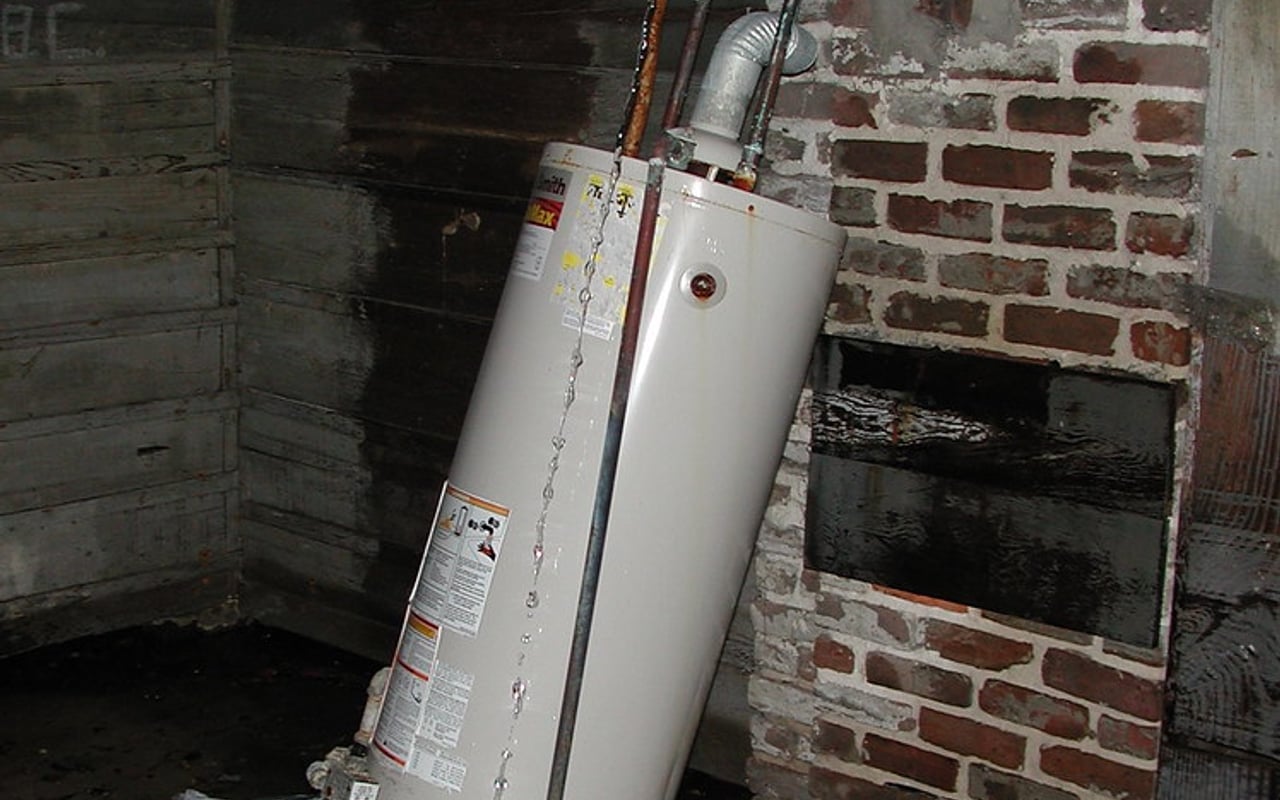
Sudden and accidental means the leak happened fast, without warning, and was not something you could have reasonably prevented. A pipe bursts during a freeze. If cold weather is involved, compare the first signs with frozen pipe warning signs before cleanup hides the timeline. A washing machine supply line lets go while you are at work. A water heater tank ruptures after showing the same warning pattern covered in water heater failure signs. These are events insurance was built for.
Gradual means the leak has been happening slowly over time. A toilet wax ring leaking for months - the kind of hidden floor damage described in toilet wax ring failure signs. A faucet drip that rotted the cabinet below. A slab leak that was there for weeks before you noticed a warm spot on the floor. These are maintenance issues, not insurable events.
Here is the part that surprises most homeowners: even if a gradual leak caused thousands in damage - rot, ruined flooring, mold - most policies still deny the claim. The logic is that you had time to notice and fix it. Whether that is fair is a separate conversation, but it is how the policies are written, and you need to know it.
What insurance typically covers
On a standard HO-3 policy - the most common type in the US - here is what is usually covered and what is not.
Covered (assuming sudden and accidental):
- Burst pipes from freezing or sudden failure - damage to walls, floors, ceilings, and belongings
- Sudden appliance failures - dishwasher supply line snaps, washing machine hose blows off (damage covered, not the appliance)
- Water heater rupture - structural and property damage from a sudden tank failure
- Hidden leak damage - some policies cover leaks inside walls or floors that were not detectable during normal inspection (varies by carrier and state)
- Loss of use - temporary housing if the damage makes your home uninhabitable
Not covered:
- Gradual leaks and wear and tear - the biggest exclusion
- Repairing the source itself - insurance covers the damage the water caused, not the failed pipe or appliance
- Sewer and drain backups - need a separate endorsement, especially if the symptoms match main sewer line red flags
- Flooding from outside - need a separate flood policy
- Neglect or lack of maintenance
- Mold from gradual moisture - mold from a sudden event you cleaned up quickly may be covered
The deductible math
Before you file a claim, run the numbers. Most homeowners policies have a deductible between $1,000 and $2,500. If the total damage is under that amount, filing a claim does not make financial sense - you pay for it yourself anyway, and you have a claim on your record that can raise your rates for years.
As a rule of thumb, if the damage is less than two or three times your deductible, handle it yourself. Call a plumber, fix the leak, repair the damage, and move on.
Claims follow you. Even unpaid claims - even a logged inquiry - can factor into future premiums. Know that before you call.
Electrical hazard: a serious safety concern
Water and electricity do not mix. If your leak has affected any of the following, treat this as an immediate safety issue before you think about paperwork:
- Water dripping from ceiling light fixtures or recessed lights
- Water pooling near outlets, switches, or baseboard heaters
- Water running down walls where electrical wiring runs
- A breaker that tripped and will not reset
- Any buzzing, sizzling, or burning smell near wet areas
Do not enter standing water if you suspect live wiring. Do not flip switches. Do not touch appliances sitting in water. Call a licensed plumber and an electrician - or a restoration company that handles both - before you do anything else.
Document electrical damage from a safe distance. Photos of arcing or scorch marks help your claim, but no photograph is worth an electrical shock.
Structural damage: when the problem gets bigger
Water is surprisingly destructive, and the damage is not always visible. Watch for:
- Sagging ceilings - water pooling above can cause a collapse
- Bowing or buckling walls - water-damaged drywall and paneling can warp and fail
- Soft or spongy floors - soaked subflooring leads to rot and potential structural failure
- Cracked or shifting foundations - slab leaks can undermine structural integrity
- Doors and windows that stick - swollen framing from water exposure
Any of these signs means the leak is a structural concern. This is where dwelling coverage on your policy is meant to kick in - structural repairs are expensive, and that is exactly what insurance is for. Document everything, call a plumber to stop the leak first, then contact your insurance company with clear evidence of structural involvement.
What to do before you call anyone
Take these steps first. They will save you time, money, and frustration.
1. Stop the water if you can safely do so. Locate the main shutoff valve and turn it off. If the leak is isolated to one fixture, shut off the supply valve at the fixture. Every adult in your home should know where the main shutoff is. If you are not sure where it is, use this guide to find your main water shutoff valve before an emergency forces you to guess.
2. Document everything. Take photos and video of the entire scene before you touch anything - wide shots for context, close-ups of the damage. Date and time stamps help.
3. Move valuables out of harm’s way. Take photos of the area first so the adjuster can see the original extent.
4. Do not make permanent repairs yet. Adjusters need to see the damage in its original state. Temporary mitigation is fine - towels, buckets, a wet/dry vacuum - but do not patch drywall, replace flooring, or throw away damaged items until the adjuster inspects.
When to call a plumber first
In most cases, call a plumber before you call your insurance company. A licensed plumber can shut off the water, diagnose the cause, tell you whether the failure was sudden or gradual, and provide a written report for your adjuster. If water is already coming through a ceiling, follow the immediate safety steps in what to do when water is leaking from the ceiling while you wait for help.
A plumber’s professional opinion is often the deciding factor in whether a claim gets paid. If the plumber says the pipe failed from corrosion and age - a gradual issue - you know not to file. If the plumber confirms it was sudden and unexpected, you have documentation to back up your claim.
Ask your plumber directly: Do you think this is something I should file for? A good plumber will give you an honest answer.
When to call your insurance company first
Call your insurance company before the plumber when:
- The leak caused widespread damage needing emergency water extraction
- There is visible structural damage - sagging ceilings, saturated subfloors
- The leak is from a covered peril like a storm or lightning strike
- Your home is uninhabitable and you need temporary housing
In these situations, call your insurer’s 24-hour claims line. They dispatch a restoration company and adjuster, and a plumber gets looped in from there. Even then, having your own plumber involved is smart - the insurance company’s interests and yours are not always perfectly aligned. If the leak happens after hours, check emergency plumber costs and what changes the bill so you understand what the plumbing side may cost separate from the insurance claim.
FAQ
Q: Does homeowners insurance cover the cost to fix the leaking pipe itself?
A: No. Insurance covers the damage the water caused - drywall, flooring, belongings. The cost to repair or replace the failed pipe, fitting, or appliance is considered maintenance and is not covered.
Q: What if the leak was behind a wall and I had no way to know?
A: This is a gray area. Some policies include coverage for hidden leak damage inside walls or floors that were not discoverable during normal inspection. Your plumber’s written opinion on whether it could have been detected earlier can make or break this type of claim.
Q: Will my rates go up if I file a claim?
A: Possibly. Even a single claim can trigger a rate increase, especially if you have filed another claim recently. Some carriers use a claims history scoring system that affects your premium for three to five years. Only file for significant damage.
Q: Is mold from a plumbing leak covered?
A: It depends. Mold from a sudden, accidental leak that you addressed quickly may have limited coverage. Mold from a slow, gradual leak is almost always excluded. Quick drying is your best defense.
Q: What counts as “sudden and accidental”?
A: It means the leak happened at a specific, identifiable point in time and was not foreseeable. A pipe bursting during a freeze qualifies. A toilet flange slowly leaking for months does not.
Q: Should I call my insurance company just to ask questions?
A: Be cautious. Some insurers log every inquiry in your claims history, which can show up on your CLUE report and affect your rates. Talk to your plumber first, then decide whether a formal claim is worth pursuing.
Bottom line
When a plumbing leak is an insurance issue comes down to three things: was the leak sudden, was the damage significant, and do you have the right policy?
Start by stopping the water safely. Document everything. Call a licensed plumber for an honest assessment. If the damage is significant, sudden, and structural - and your plumber agrees - file the claim with confidence. If the leak was gradual or the damage is manageable, handle it yourself and save your claims history for the big one.
Take the safety warnings seriously. Water damage can hide electrical hazards and structural weaknesses. A quick response matters, but a safe response matters more.
You do not need to be an insurance expert. You just need a clear head, the right questions, and a plumber you trust.