Water Heater Failure Signs: When to Repair or Replace
Learn which water heater failure signs mean repair, replacement, or an emergency call - from rust and rumbling to leaks, gas smells, and T&P valve discharge.
Articles on this site may include sponsored content. If they do, it's labeled clearly - and it still has to answer a real homeowner question. Same bar as everything else here.
Signs Your Water Heater Is Failing: What Each Warning Means
Water heaters don’t fail without warning. They give you signs - a noise here, a puddle there, a funny smell that wasn’t there last month. The problem is most homeowners don’t know what to look for until they’re standing in cold water with a cold shower and a plumber’s weekend rate.
This guide walks through every meaningful sign your water heater is about to fail, what each one actually means, and whether you’re looking at a repair, a replacement, or a safety emergency. No jargon. No guesswork.
For the full picture on lifespan and maintenance, read How Long Does a Water Heater Last? first. This article assumes you already know water heaters die - this is about catching it before it happens.
Danger signs - stop and call immediately
Some symptoms are not “keep an eye on it” situations. If any of these apply, shut things down and call a licensed plumber or your gas utility from outside the building. For pricing context before you are under pressure, emergency plumber costs and what changes the bill explains why timing and access matter.
You smell natural gas near the water heater
Utility companies add that rotten-egg mercaptan odor specifically so you can detect leaks. If you smell it near the water heater:
- Do not flip light switches, use a phone, start a car in an attached garage, or light anything.
- Leave the building immediately. Call your gas company or an emergency plumber from outside.
- If you can safely reach the gas shutoff valve on the supply line without going near the source, turn it clockwise to close it. Otherwise, just leave.
A faint smell that comes and goes is still a gas leak. There is no harmless gas smell.
The T&P valve is actively discharging
The Temperature and Pressure Relief Valve - that brass fitting on the side or top of your tank with a metal pipe running to within 6 inches of the floor - opens automatically if the tank exceeds 210°F or 150 psi. If it’s pouring hot water (not dripping), your water heater is in an overheat or overpressure condition. The thermostat may have failed and the tank is cooking water past boiling.
Shut off gas or power to the unit. Shut off the cold water supply. Call a plumber immediately. A slow drip is repairable. A steady stream is an emergency.
Water is pouring from the bottom of the tank
A puddle of warm water around the base almost always means the tank liner has failed and the steel is rusted through. This is not repairable. The tank will not weld. The leak will only get worse. Shut off water and power or gas, then call a plumber. If water has already reached walls, ceilings, or finished flooring, use when a plumbing leak is an insurance issue to decide what to document before cleanup. The only question is how fast water damage spreads before the heater is replaced.
Warning signs - what to look for and what they mean
These signs aren’t immediate emergencies on their own, but each one tells a specific story about what’s happening inside the tank.
Rumbling, popping, or banging noises
This is the most common early warning sign and the most ignored because it doesn’t seem urgent. Minerals, sand, and pipe scale settle on the tank bottom over years. Hard water makes that buildup faster, so it is worth understanding hard water signs and what actually helps if faucets and fixtures also show white crust. On a gas unit, the sediment insulates the water from the burner flame underneath. Water trapped under the sediment boils into steam, creating tiny explosions that pop the sediment around. That popping is what you hear.
On an electric heater, sediment covers the lower heating element, causing it to overheat and fail early.
What to do: If the unit is under 6 years old, schedule a professional flush. If it’s over 8 and making noise, start looking at replacement. For recurring mineral problems, water softener vs filter vs conditioner explains which treatment actually protects plumbing. The noise itself won’t kill the unit, but it’s a symptom of the process that will.
Rust-colored or brown water from the hot tap only
Fill a glass with cold water from any faucet. Fill another with hot water from the same faucet. If the cold is clear and the hot is rusty, the problem is inside your water heater - not your pipes.
That rusty water means the sacrificial anode rod (a metal rod inside the tank designed to corrode instead of the steel) is fully consumed. Without it, the steel tank itself is now corroding. Rust flakes from the tank walls enter your water supply. If you are not sure whether the discoloration is hot-side only or whole-house, compare it with brown water from the tap: common causes.
What to do: Replace the water heater. You might get 6 to 12 more months, but there’s no stopping the corrosion once the anode rod is gone. One exception: if rusty water comes from both hot and cold taps, the issue is in your main supply or pipes, not the water heater.
Rotten egg smell from the hot water
If your hot water smells like sulfur but the cold is fine, bacteria is growing inside the tank. Magnesium anode rods react with sulfates in the water to produce hydrogen sulfide gas. Not usually a safety issue, but unpleasant and a sign the chemistry in your tank is off.
What to do: Try replacing the magnesium rod with an aluminum/zinc alloy rod. If the smell persists after that and a thorough flush, the tank may need replacement. The smell itself doesn’t mean structural failure, but it often shows up on older tanks near the end anyway.
Water pooling at the base - not from a fitting
A puddle under the water heater is the single most reliable sign of impending failure. But trace the source first.
Check these first (repairable):
- T&P valve discharge. Water dripping from the end of the brass valve’s discharge pipe usually means a bad valve ($15-30 replacement).
- Drain valve at the bottom-front of the tank. May be loose or have a worn washer.
- Inlet/outlet connections on top. Water can run down the tank and pool at the base, looking like a tank leak when it’s actually a pipe fitting.
If none of those are wet: The tank itself is leaking. The steel has corroded through from the inside. This is terminal. You cannot patch or epoxy a leaking tank.
You run out of hot water faster than before
A 40-gallon tank that used to give you 15 minutes of hot water but now gives you 5 is telling you something changed.
Possible causes:
- Sediment has reduced usable volume. A 40-gallon tank with 5 gallons of sediment is effectively a 35-gallon tank.
- Failed dip tube. This plastic tube directs cold water to the tank bottom. If it breaks, cold water mixes with hot at the top and you get lukewarm output.
- Failed heating element (electric). A burned-out lower element can’t heat the bottom half of the tank.
- Undersized for your household. If you added people or fixtures since installation, the problem may be an always-too-small unit whose efficiency finally dropped enough to matter.
Yellow or orange burner flame (gas units)
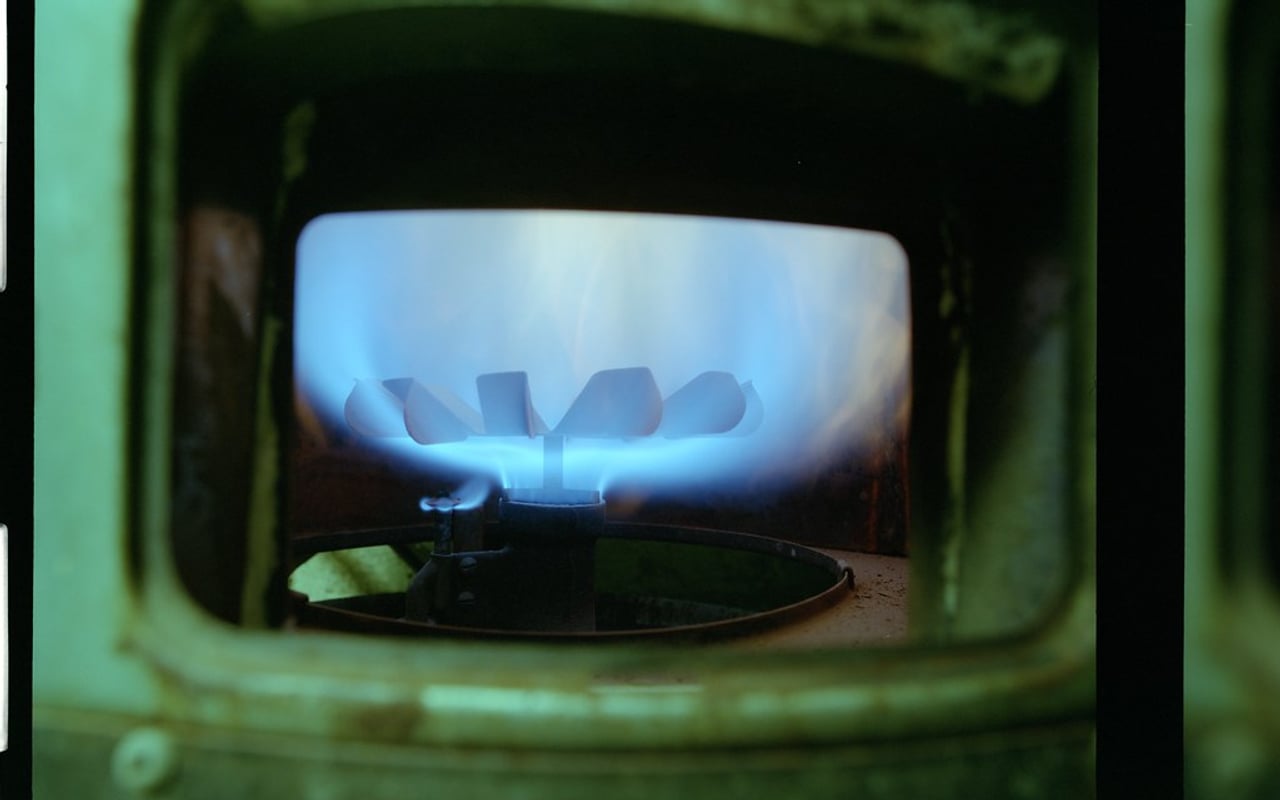
If it’s safe to look, the burner flame on a gas water heater should be a crisp blue cone. Yellow, orange, or flickering flames with soot buildup mean incomplete combustion - and potential carbon monoxide production.
What to do: Call a plumber. Have the burner cleaned or replaced. If the unit is over 8 years old, ask whether the repair is worth it.
Higher energy bills with no change in usage
Sediment insulates water from the heat source. Scale coats heating elements. The burner or elements run longer to heat the same water. An aging water heater can cost 20-30 percent more to operate in its last year or two. If your utility bill is creeping up and nothing else changed, the water heater is a likely suspect.
Visible rust on the tank exterior
Surface rust in a humid basement is usually cosmetic. But raised rust blisters or rust trails from seams and welds mean moisture is getting out from the inside.
What to do: Press on it gently with a screwdriver. If it crumbles or leaks, the tank is breached. Replace immediately.
Leaks that look scary but usually aren’t
Not every drop near the water heater means the tank is dying.
Condensation: In humid weather, a cold supply line or the tank surface can sweat. Wipe it dry and check back.
Loose drain valve: A slow drip from the bottom-front drain valve can be fixed by tightening gently with a wrench.
T&P valve drip: A few drops per hour is usually debris on the valve seat. Lift the test lever for 2-3 seconds to flush it out. If it keeps dripping, replace the valve ($15-30, 10-minute job for a plumber).
Never cap or block the T&P discharge. If the valve opens during an overpressure event and the discharge is blocked, the tank can’t relieve pressure. Blocked discharge pipes turn a safety device into a decoration - or worse.
Age: the biggest risk factor
Even without symptoms, age alone predicts failure. Check the manufacturer’s sticker on your tank. For most brands - Rheem, AO Smith, Bradford White - the serial number uses a letter for month (A=January, B=February) and two digits for year. C21 = March 2021.
General guidelines:
- Under 6 years: Most issues are repairable. Fix the valve, replace the element, flush the sediment.
- 6 to 10 years: Get annual inspections. Start budgeting for replacement.
- 10+ years: Schedule a proactive replacement. A planned replacement costs 30-50% less than an emergency weekend call.
Repair or replace? Quick guide
| Sign | Under 6 years | 6-10 years | 10+ years |
|---|---|---|---|
| Rumbling/popping | Flush and monitor | Flush, plan replacement | Replace |
| Rusty hot water | Replace anode rod | Replace | Replace |
| Tank body leak | Replace | Replace | Replace |
| T&P valve drip | Replace valve | Replace valve | Consider full replacement |
| Yellow burner flame | Clean/replace burner | Replace if costly | Replace |
| Low hot water output | Check dip tube, elements | Replace parts | Replace |
| No symptoms | Normal maintenance | Annual check | Plan replacement |
Frequently Asked Questions
What is the most common sign a water heater is about to fail?
Rumbling or popping noises from the tank. Sediment buildup traps water beneath it, creating tiny steam pops as the water boils. It’s the earliest warning and the one homeowners most often ignore until it becomes a leak.
Can a water heater explode?
Rarely, but yes. It requires two simultaneous failures - the thermostat fails and water overheats past boiling, AND the T&P valve fails to open. That’s why testing the T&P valve annually is critical. A properly functioning T&P valve makes an explosion virtually impossible.
Is rusty water from the water heater dangerous?
The rusty water itself isn’t toxic - it’s iron oxide. But it means the tank interior is corroding and structural integrity is compromised. You can safely use the water while arranging a replacement, but the clock is ticking.
My water heater is dripping from the top - is that the tank?
Probably not. Top drips usually come from inlet or outlet pipe connections, condensation, or a leaking supply line. Water runs down the tank and pools at the base, looking like a tank leak. Dry everything and trace the source.
How long can I keep using a noisy water heater?
You can, but shouldn’t. The noise means sediment buildup, which reduces efficiency and accelerates corrosion. If it’s under 6, flush it. If it’s over 8, plan replacement. Every month of delay is another month of wear on a compromised tank.
What should I do if my T&P valve is leaking?
First, lift the test lever for 2-3 seconds to flush debris from the valve seat. If it continues to drip, replace the valve - $15-30 for the part. Never cap or block the discharge pipe.
What happens if I ignore the signs?
Water heaters don’t fail during business hours on a Tuesday. They fail at 2 AM Sunday or while you’re on vacation. Ignoring warning signs turns a $900 planned replacement into a $2,500 emergency replacement plus water damage restoration. Most water heater disasters were predictable weeks or months in advance.
When to call a plumber
Call a licensed plumber if:
- You smell gas near the water heater - leave the building first, call from outside
- The T&P valve is pouring water (not dripping)
- Water is pooling under the tank from the tank body
- The burner flame is yellow, orange, or sooty
- Loud popping or rumbling on a unit over 8 years old
- Rusty water appears from the hot tap only
- You need a professional condition assessment and honest repair-versus-replace opinion
- You’re planning a proactive replacement and need proper permits and code-compliant installation
If your unit is past 10 years with even one sign from this guide, you don’t need a second opinion. You need a replacement quote. Before you book the job, questions to ask before hiring a plumber will help you separate a real replacement plan from a vague sales visit.
Bottom line
Water heaters give you warnings. The noise, the rusty water, the slow drip - those aren’t random inconveniences. They’re a machine telling you it’s wearing out.
Your job isn’t to become an amateur plumber. Your job is to recognize that something changed and act on it before an inconvenient drip becomes an emergency flood. The difference between a planned replacement and a crisis is about two weeks of attention and a phone call made during business hours.
For more on what to do when it’s time to replace, see Water Heater Replacement: What Should Be in the Quote and Tank vs Tankless Water Heaters in Real Homes.